
MetaclinicMetaclinic Start a conversation

For patients and families

Your results belong to you

If you have ever waited a week to hear about a test result, been told the office would call if anything was wrong, or been handed a printout you could not read, you already understand the problem this company works on.

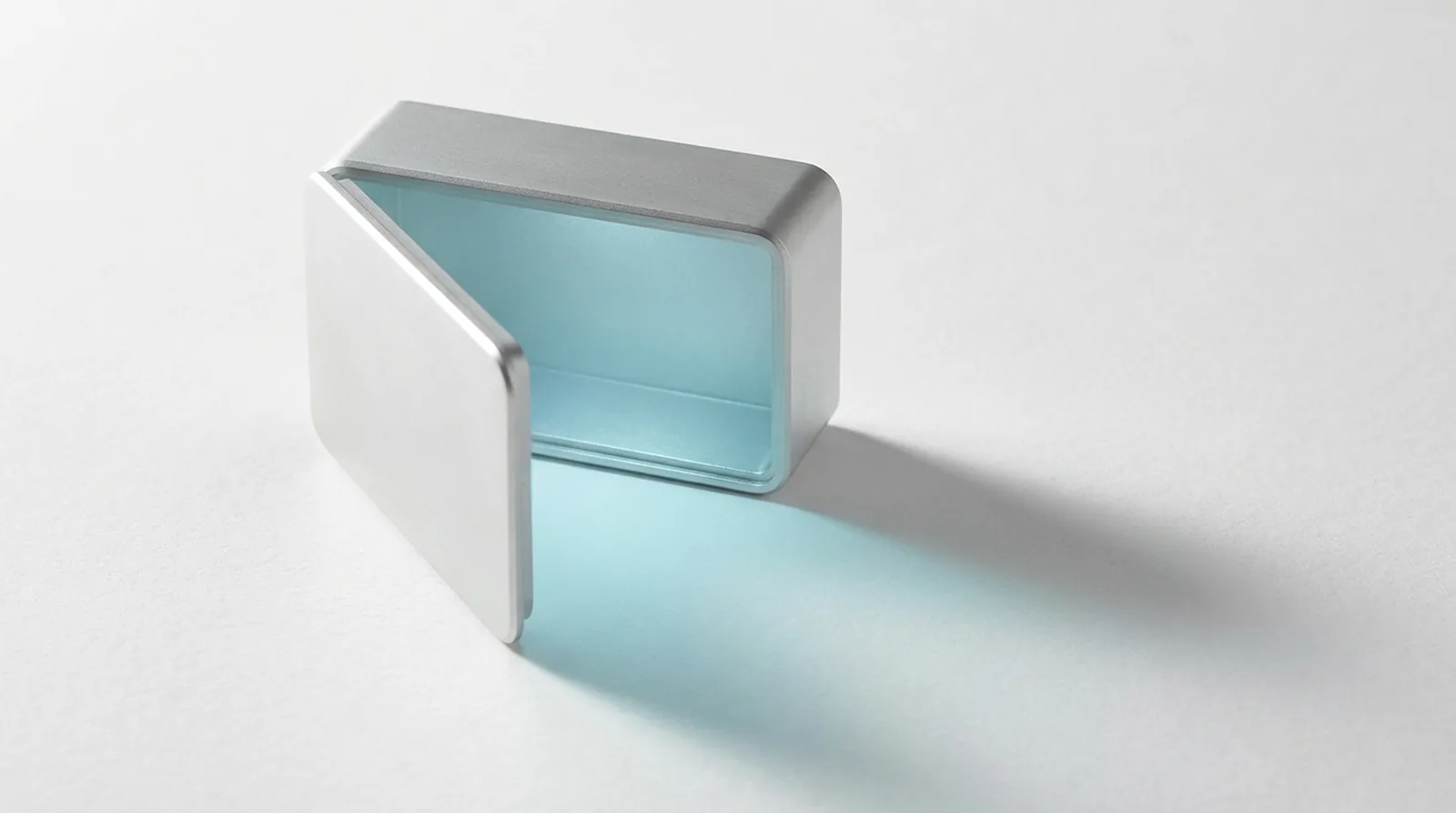
A machined enclosure standing fully open on a white ground with no lock or latch of any kind, a broad field of soft light spilling out of it.
Open is the resting state. Not a favor, and not a form you have to fill in.

Where your results actually come from

we are not a portal

Metaclinic is not an app you sign into and it is not a patient portal. We do not hold a relationship with you, and we are not your doctor. What we build is the software that laboratories and medical practices run on.

So your results still come from your laboratory and your clinician, which is where they should come from — a result is worth more when it arrives with someone who can tell you what it means. Our part is underneath: making sure that when you ask, the system they are using can say yes immediately, instead of turning your request into a project for the front desk.

What you are entitled to

and it is stronger than most people think
  • You have a right to a copy of your own test results, and you do not have to explain why you want them.
  • That right applies directly to the laboratory that ran the test, not only to the doctor who ordered it.
  • It comes with a clock. A request is not something that can be left indefinitely, and a delay has to have a specific, defined reason.
  • You can ask for it in the form you want where the system can produce it, including sending it somewhere else you choose.
  • An unpaid bill is not a reason to withhold your record from you.

None of that is a courtesy anyone is extending to you. It has been the law for years, and since 2021 unreasonable delay has been a federal matter for the organizations that hold your data. The gap between the right and the experience has mostly been a software problem, which is the part we can fix. The detail is here if you want the specifics.

Why we treat this as the point

medically necessary data, for everyone

The goal is simple to say and hard to build: the data that is necessary for someone's care should be available to the people who need it for that care, including the person whose body it came from. Everyone. Not the patients with the most persistence, the best insurance, the most connected physician, or the energy to call four times.

Access to your own information is not a comfort feature. It is what lets a second opinion be a real second opinion, what stops a test being repeated because nobody could find the first one, and what makes it possible for you to notice the thing that everybody else, looking at one visit each, missed. People who can see their own results ask better questions, and better questions produce better medicine.

What we will not do with your data

stated plainly
We do not decide what is wrong with you
Metaclinic does not interpret results, does not produce diagnoses, and does not read images. Those judgments belong to your clinician, and we do not want them.
We do not release your record to whoever asks
Every disclosure is decided against an explicit rule and a legal basis. Where an insurer, an employer, a lawyer, or a funder is not entitled to something, they do not receive it, and the refusal is recorded with its reason.
We do not sell it
Your record is not a product, and it is not marketing data.
We do not hide the history
Records are corrected, never quietly overwritten. If something changed, the system knows it changed, when, and who saw which version.

If you cannot get your results

what actually works

Ask the laboratory that ran the test directly, in writing, and use the words “request for access to my records”. Keep the date you asked. If the request is refused or simply goes quiet, ask what specific exception is being relied on, because there has to be one and it has to be named.

If the organization holding your data uses our software and it is still not working, we would genuinely like to hear about it, because that is a defect on our side of the line. We cannot release another organization's records to you — that is theirs to do and it would be wrong for us to do it — but we can find out why their system made it hard.

service@meta.clinicHow patient access works

Which stakeholder is currently asking you for data you cannot easily give them?

That is the useful first conversation, and it is a short one. Bring the laboratories, the practices, and the thing that breaks today.

service@meta.clinic Read the release model first